
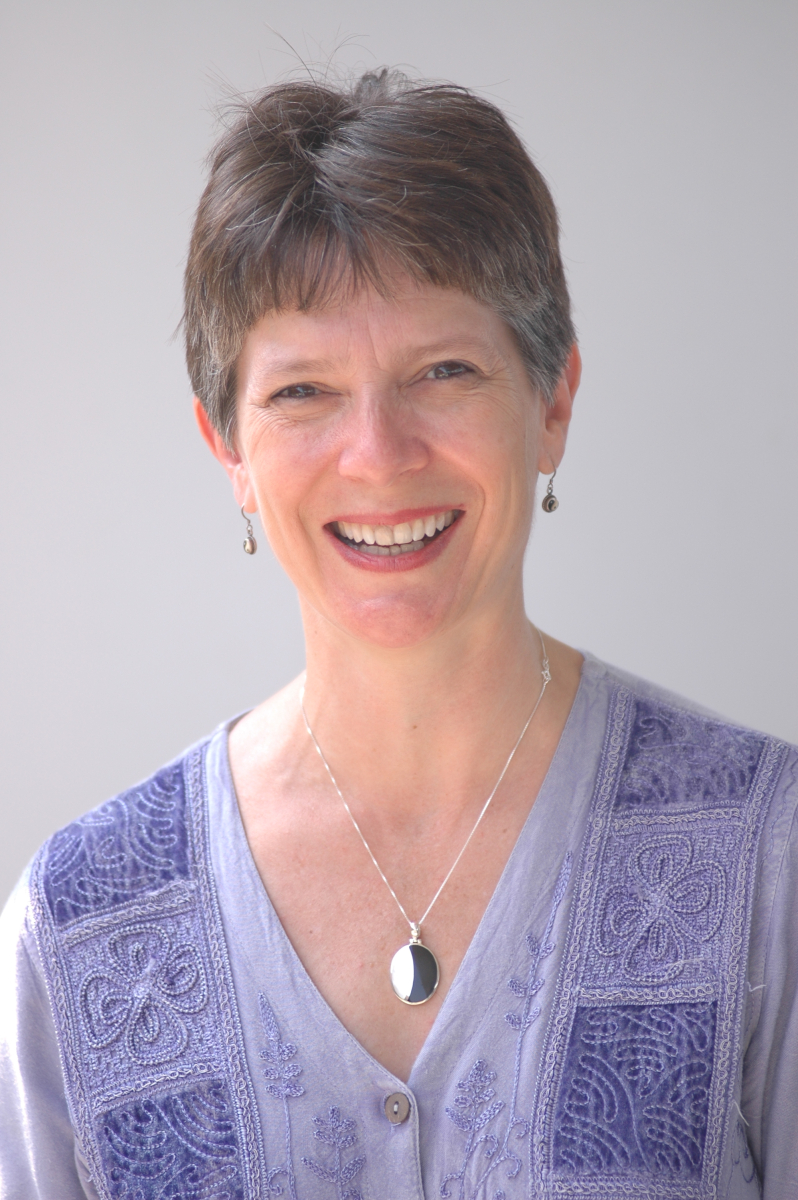
Dr. Kathi Kemper has spent more than four decades addressing the clinical and educational challenges she confronted in her pediatric practice using double-blind placebo controlled randomized controlled clinical trials (dbpcRCTs), epidemiologic, health services, comparative cohort, and educational research, collaborating across specialties and disciplines (from the health sciences to soil sciences and a collaboration with a bioethicist and attorney that was published in the Wake Forest Law Review).
Dr. Kemper created widely used conceptual models (for therapeutic options; identifying patients’ goals; the 2x2 table to help clinicians’ use an evidence-based approach rather than rely on the historic “standard of care” to recommend or avoid a therapy; and the Elicit/Empower model of care and education to balance the dominant American “diagnose and dispense” model). She developed, implemented and evaluated new tools to assess success in achieving integrative medicine’s educational goals (including the Confidence in providing Calm, Compassionate Care Scale [CCCS] and the Self-Efficacy in Delivering Non-Drug Therapies Scale [SEND]). She served as President of the Academic Pediatric Association; founded the American Academy of Pediatrics Section on Integrative Medicine; served for 10 years as editor in chief of Complementary Therapies in Medicine; and is the first pediatrician to have held an endowed Chair in Integrative Medicine (the Dr. Caryl Guth Chair for Integrative Medicine at Wake Forest University). Dr. Kemper remains active in consulting, mentoring, writing, and collaborating on small research projects. Current activities include serving on the Advisory Board of innerExplorer and recent publications.
In this interview, she traces the organic evolution of her career, shares the simple frameworks she developed to make sense of a complex field, and discusses the importance of putting patient goals at the center of care.
CAM: Thank you for the background information you shared about your research experience; I was curious to know what led to your particular interest in the areas you've worked in. How did you get involved in that work?
Kathi Kemper: It's multifactorial, as most things are — probably some genetics and some environment involved. I've been interested in meditation since before I was a teenager. When I went to college, I started as a physics major, interested in the matter/energy unity, and ended up as a psychology major, focusing on the relationship between stress and disease. It was becoming clear that stress made almost every disease worse, and as a meditator, I wondered whether reducing stress through meditation might help people's conditions improve.
A friend said, "If that's the kind of question you want to answer, you should go into medicine — people who think they're crazy go to psychologists, and people who think they're sick go to medical doctors." So I resisted it for a while, but in my junior year of college I took chemistry and kind of went from there. When I went to medical school, I didn't think I was going to practice medicine; I went to get the credential and then planned to do research in public health.
After medical school I did pursue public health, but during that time I volunteered in a pediatric clinic and just fell in love with taking care of kids. That led to a pediatric residency, which led to a research project to understand how many kids were hospitalized for medical vs. non-medical reasons, which led to a research fellowship.
So, that's the long way around to your question. The reason I started studying agar to treat newborn jaundice — and actually did a randomized controlled trial of it — was that it was routine practice at the University of Wisconsin, where I did my residency. When I got to Yale, the treatment of jaundice involved stopping breastfeeding and putting babies under phototherapy lights. I said, "That's barbaric — why do you do that?" And they said, "That's crazy that you give babies agar — why do you do that?"
I said, well, there must be some research on this. When I looked, there was very little. It turned out my attending in the neonatal intensive care unit back in Wisconsin was a gastroenterologist, and he treated bilirubin by binding it in the gut with agar — which is exactly what a gastroenterologist does. When I got to Yale, people had never heard of that approach, so rather than argue about it, I said, "Let's do a randomized controlled trial and find out whether it works."
While I was obtaining informed consent for that study, I noticed that the mothers were extremely concerned about their baby's jaundice. As pediatricians, we thought of this as run-of-the-mill newborn stuff, no big deal.. But the mothers were very upset, and listening to them, I could understand why. We were stopping breastfeeding — something they believed was beneficial — and effectively treating their breast milk as somehow harmful to their baby. Then we separated babies from their mothers, put them under lights with their eyes covered, and kept them in hospital longer than they had planned. I did a follow-up study on mothers' perceptions of newborn jaundice and found they considered it about as serious as pneumonia — which was far from the case. We doctors were creating the Vulnerable Child Syndrome (VCS) through our “benign” interventions. The unintended consequences ended up being more important than the original study question, and led to changes in how newborn jaundice was managed and how we communicated with mothers.
So it was one thing leading to another. It wasn't something I'd planned; it was the question I was confronted with in my daily work. And that's been true of most of my research. After my fellowship, I went to the University of Washington and worked at Harborview Medical Center (long before the TV show set there) in the burn and trauma intensive care unit. We saw a lot of post-extubation stridor due to narrowing of the airway, and often resulting in a traumatic re-intubation so the child could breathe while their airway healed. I had been a physics major before changing to psychology and becoming pre-med, so I was interested in the properties of gases and how helium (a very light gas) might bypass airway narrowing more easily than nitrogen (which makes up the majority of non-oxygen in room air). I suggested we try a dbpcRCT comparing helium-oxygen mixture (HELIOX) to traditional room air-oxygen mixture to help reduce the need for reintubation. The heliox safely prevented a significant number of reintubations. We did a case study first to make sure we had the protocol and tubing correct. During the RCT that followed, we noticed that respiratory therapists, attending physicians, and nurses all graded stridor differently — so we then did an inter-rater reliability study. Every study raises more questions than it answers.
CAM: A lot of what you're describing sounds like it happened organically in the course of your work. How did you find attitudes toward introducing what might be considered complementary or alternative therapies, and evaluating them through traditional research methods? Did you encounter any pushback?
Kathi Kemper: I really didn't, because I was doing a randomized controlled trial to answer a research question — and that's what people did. The agar treatment wasn't necessarily labeled as complementary or alternative; it was simply, "That's what they do at the University of Wisconsin — let's see if it works." And the heliox approach made sense to the anesthesiologists and respiratory therapists, so they were willing to participate. There was no hostility at all.
However, when I first arrived at Boston Children's Hospital in 1998, as I was crossing the street to the hospital, I was met by a surgeon who identified me as "that new doctor who does alternative medicine" (I'm sure I bristled at the term "alternative"). He then asked me if any of “that stuff actually worked or if it was all snake oil." I replied that it depends. That's like asking if surgery works. It doesn't work for the common cold, but it does for appendicitis. You have to be more specific: “exactly what treatment, in what situation, for what patient, and for what condition." He nodded his head in agreement and then said "well Doc, welcome aboard!"
CAM: Throughout your research career, have you found that randomized controlled trials have been applicable to all types of interventions, or have you had to look at other research methods?
Kathi Kemper: It depends very much on the intervention. You can't do a randomized controlled trial of breastfeeding, for obvious reasons. Likewise, you can't do an RCT of smoking, but you can still compile evidence that breastfeeding is good and smoking is bad with a preponderance of evidence from other study designs. Even if you do a randomized controlled trial of something like yoga as a specific form of exercise, it's hard to blind participants to whether or not they're doing yoga.
When I started thinking more seriously about complementary and alternative medicine as a field — in 1994, when I had the idea to write the textbook I desperately needed on how to treat common conditions in children — I ran into a dearth of studies. Was cough syrup really effective in children? Were antihistamines? Decongestants? Echinacea? The state of the research was pretty much the same for all of them at that time. There wasn’t compelling evidence that any conventional OTC or Rx cold remedy reliably and significantly reduced cold symptoms in kids under two, and there were lots of reports to Poison Control Centers about side effects in that age group, so based on the evidence, they should have been avoided, yet conventional docs recommended them daily.
When I was thinking about how to organize the therapies for the book, I first thought of going alphabetically — starting with acupuncture and antibiotics, ending with Zen meditation — but that didn't seem intellectually compelling. So I decided to group them differently, into four categories in a circle based on their presumed mechanism of action and the research designs best suited to that group of therapies.
The first I called lifestyle therapies, or "healthy habits in a healthy habitat": nutrition, avoiding toxins, exercise, sleep, spirituality (meaning, purpose, sense of connection to something greater than individual self, not necessarily religion or ritual), stress management and emotional self-regulation (like CBT and mindfulness practices), environment (ice for sprains, phototherapy for jaundice, music therapy, as well as more time in nature and less time with pesticides and endocrine disrupting chemicals), and social support (social and environmental determinants of health, SDoH). For all of those, you use the same kind of cohort study or case control studies, because you can't blind someone to whether they're on a particular diet, exercise regimen, or stress management program.
The second group is biochemical therapies — whether it's a medication, an herb, a vitamin, mineral, fish oil, or melatonin. For these you use double-blind, placebo controlled randomized controlled trials. It's relatively easy to make a placebo for biochemical therapies.
The third category is biomechanical therapies, which range from surgery to chiropractic to massage and other bodywork. I happened to be involved with a group at the American Academy of Pediatrics looking at optimal treatment for congenitally dislocated hips. When I reviewed the state of the research in that area, I found that surgical research is actually quite limited — you can't blind a surgeon as to whether or not they're performing surgery, and we no longer consider sham surgeries ethical. So I think we need to hold all biomechanical therapies to the same standard we hold surgical therapies — which is not a particularly high standard from the biochemical point of view. The point is to compare therapies using the same rigorous methods applied to so-called conventional therapies, and I say "so-called" because they're only conventional to those of us raised in the West.
CAM: You said there were four categories. What's the fourth?
Kathi Kemper: The fourth is harder to define because the boundaries are fuzzy. I call it biofield or bioenergetic. All the therapies in this category are based on an invisible energy, spirit, or information that flows through us, connects us to each other and some greater whole, and is intimately connected with our health — and the idea that someone or something can affect that flow of energy to optimize health. Acupuncture is one example, based on the concept of qi. X-rays and ultrasound are other forms of invisible energy. Prayer invokes God, another invisible energy or spirit. Homeopathy may involve information or energy — I'm genuinely not sure, and I'm not an expert on it — but it doesn't work in the biochemical way that therapies in the second category work. Therapeutic touch, healing touch, polarity therapy all fall in this biofield category, and they share some features with biochemical therapies and some with surgical therapies, so they sit between those categories.
CAM: What evaluative methods would you apply to that category?
Kathi Kemper: It depends on the specific therapy. I actually visualized all four categories in a circle — I was living in Seattle when I was writing The Holistic Pediatrician, and Mount Rainier was always in the background, so I thought of four sides of the mountain, with the therapy categories arranged continually around the base (Lifestyle on the south, Biochemical on the east, Biomechanical on the west, and Biofield or bioenergetic on the north side of the mountain).
For homeopathy, you should be able to do a dbpcRCT, just as you would with a biochemical therapy, even though it's conceptually based on a biofield model. Acupuncture probably needs to be treated more like a surgical therapy, because you can't easily blind the practitioner — though you may be able to mask the patient to some degree, particularly if they haven't received it before. It's much harder to blind a patient who has had acupuncture previously and has experienced an energy shift. And it's very difficult to blind a therapeutic touch practitioner as to whether they're providing therapeutic touch.
CAM: You've been in a position to gather and generate a substantial body of evidence about these various interventions. One of the things Cochrane thinks about a great deal is how to communicate that evidence to people who might want to use it — clinicians, patients, patient advocates. What has your experience been around how this information is accessed and understood once it's been gathered and disseminated?
Kathi Kemper: The reason I developed the model you found useful was that I was writing what I thought would be a textbook for myself. I was working at Harborview, which served a largely immigrant population. Mothers from Southeast Asia, Central America, South America, Eastern Europe, and Africa would bring me little bags of something and ask, "Is this safe to give the baby? My mother says I should give this for colic, or diarrhea, or a cold." I often had no idea what was in those bags. These mothers wanted to be scientifically informed and to do what the doctor recommended, but they were caught in a cultural tug-of-war between what grandmother said and what the doctor said — and there was nowhere I could look for answers.
So I went searching for information about what was in those bags. It turned out to be chamomile most of the time, sometimes dill, and occasionally something in a labeled bottle of uncertain reliability. As I learned about the common herbs these mothers were bringing me, I thought: if I have this question, maybe other pediatricians do too. So I wrote an article called "7 Herbs Every Pediatrician Should Know." I didn't publish it in a research journal like Pediatrics — I put it in what we call a throwaway journal, Contemporary Pediatrics. It wasn't peer-reviewed, but it was very widely read, had photographs of the herbs, and was far less formal than a traditional research paper. I got so many speaking invitations from that article, because pediatricians everywhere were being asked these questions and didn't know where to find answers.
That's ultimately why I wrote The Holistic Pediatrician — I wanted to know what people were doing, what the evidence was, and to apply the same standards of evidence to antihistamines as to echinacea. It turned out to be popular beyond what I'd expected — not just useful as a teaching text for clinicians, but also for parents. I can't count how many people have told me they've given it as a baby shower gift.
Of course, I've also published in scientific journals. But my experience with practicing clinicians is that those journals — when we had paper ones — piled up on desks, and now they pile up in inboxes. Clinicians are much more likely to catch a headline or glance at a graph than to read a study in depth. Really, only other researchers tend to read studies thoroughly.
CAM: Do you think there are things that could be done at the field level to improve how people access that kind of information?
Kathi Kemper: I think we need to do a better job of partnering with marketing and communications professionals. I've been genuinely puzzled as to why the four-category model I described hasn't been more widely adopted, and why we continue to use terms like "integrative therapies" — a term that drives me a little crazy, because there are no integrative therapies. There are integrative approaches to treatment, but not integrative therapies as such.
I've concluded that the only thing I control is myself, so there's probably some defect in how I've communicated it. I should have partnered with a graphic designer or someone who could have made a compelling, sticky image that lodges in people's minds.
Most people think in images and stories — not in mathematics and graphs, which they associate with school and homework they'd rather forget. Whereas I love looking at confidence intervals and the like, that's not where most people live. I learned something about this watching Ronald Reagan's presidency: he could tell a story with a smile and shift public opinion in a heartbeat. It drove me crazy, but it really taught me something.
CAM: When you think about this topic more broadly, are there other things you'd like to share?
Kathi Kemper: Yes — I'd like to share a 2×2 table I came up with on the spot in response to a question from Michael Cohen, when I was at Boston Children's. After The Holistic Pediatrician came out, I was recruited to Boston Children's to start the Center for Holistic Pediatric Education and Research (CHPER). We were two floors away from David Eisenberg's Center for Integrative Medicine, where Michael Cohen — an attorney specializing in integrative medicine — was working with David.
One day he came to my office and said, "Kathi, help me understand something. You're in a children's hospital, and sometimes you recommend acupuncture, therapeutic touch, or massage — things that aren't standard of care, that is, what has been done historically. What's your basis for recommending them?"
I said, "Michael, that ‘standard of care’ is old-fashioned thinking — the idea that 'this is how we've always done it' means it's the best approach. We now have evidence-based medicine, and evidence-based medicine means you weigh risks and benefits." So I drew him a 2×2 table: on one axis, effectiveness — either proven effective OR effectiveness not established/unknown; on the other axis, safety — either safe, unsafe/ unknown.
Very simply: if something is safe and effective, we recommend it. If it's safe but unproven in terms of effectiveness, we tolerate it — like chicken soup. If someone tells me they're going to have chicken soup for a cold, I say, "Go ahead" — I drink chicken soup when I have a cold too, because my grandmother told me it was good. But I don’t recommend a specific brand or dose of chicken soup or specify the essential ingredients because studies haven’t been done to evaluate all those permutations (and as long as grandmothers are around, those studies are unlikely to be done - every grandma thinks hers is the best, and who am I to argue?). If something is risky but effective, we monitor it closely — e.g., chemotherapy for cancer: very effective, but with significant side effects, so you keep a close eye on it. The only situation in which you recommend someone avoid a therapy is if it's both unsafe and ineffective, eg St. John’s wort for ADHD.
The mistake most conventional doctors make is conflating "avoid" with "tolerate." They think you should advise against something if it hasn't been proven effective, whereas I think you should tolerate it if it's safe.
Michael found this persuasive, and it resonates with many people — it's a very simple model. My working definition of "effective" was something proven more effective than placebo in two or more large RCTs for biochemical therapies, or the equivalent research for lifestyle or mechanical therapies. But I think it's important to understand its significant limitations.
- RCTs study therapies, not diagnostic tests. They don’t tell us anything about the sensitivity or specificity or positive predictive value of diagnostic tests like B12 levels or pulse diagnosis. That calls for a different research paradigm.
- RCTs are typically conducted in people with one specific condition. If we go back to jaundiced babies, we would exclude babies who had jaundice and sepsis because they are sicker to start and would tend to bias the results against the group that contained them. Researchers generally want a homogeneous group to maximize their statistical power. As a result, the majority (over 80%) of real-world patients are excluded from clinical trials before they begin (look at figure 1 in most RCTs to see how many apply, are screened, are eligible, are randomized, and those who actually make it to the study visit(s) and complete the outcome measures). This means you can't easily generalize from trial results to most people you'll actually see in clinic.
- RCTs include only patients willing to be randomized and blinded (masked) and sometimes misled about the purpose of the study. Many people don’t want their treatment dictated by a computerized coin toss. And they want to know what’s going on.
- Another limitation is that clinical trials test one intervention at a time, usually one dose (20 mg/kg-day) over one time period (e.g. 8 weeks). That's not integrative medicine and it’s not the real world. If you're doing acupuncture, you're probably also incorporating music, the clinical environment, therapeutic relationship — perhaps five different elements that differ from simply taking a drug. We don't have a research model for studying multiple interventions simultaneously, and yet that's what we do in clinic every day. That's the real limitation of relying on randomized controlled trials for people with complex conditions receiving multiple therapies simultaneously.
- People change but protocols remain, for the most part, fixed. What if the child gets nauseated with 20 mg/kg-d, so the parent cuts the dose in half, and the child no longer has nausea and gradually goes back to 20 mg/kg-day as she gradually gets used to the new treatment. There has been a protocol variation. People change. Life is dynamic, but the typical RCT doesn’t have an easy way to account for that natural dynamic nature of human life, at least I haven’t seen it yet, but I haven’t looked recently.
And then there's the need to individualize treatment. Do ALL patients with headaches have to follow the same protocol or can Susie do mindfulness and Abraham do B6, feverfew and butterbur, and can Anna do acupuncture, while David uses conventional drugs (which ones)? Do case reports, series, or cohort studies contribute anything substantial to the literature (yes, but it depends…)
CAM: You've been involved in this field from the beginning. When you think about the future — the opportunities and the challenges — what comes to mind?
Kathi Kemper: Funnily enough, I'm working on a SWOT analysis right now, because we're about to hold a Pediatric Integrative Medicine Summit and strategic planning meeting. I really hope the people leading that work are far smarter than I am, because the problems they face are much more complex than the ones I confronted, with fewer resources, more pressure on their time, and a far more chaotic world.
I think it's a genuinely exciting challenge to figure out how to conduct studies in the real world — with people who have multiple conditions and are taking multiple treatments as they respond or not over time and therapies or co-therapies change— and to disentangle what's having what effect, so we can learn and improve. I'm not interested in declaring "this is the best therapy, full stop." I'm interested in continuous improvement.
Another model that's been very important to me in integrative clinical care is identifying patients' goals, rather than just their diagnoses. The typical Western clinical model is “diagnose-and-dispense”: you come in, I diagnose depression (the computer generates a billing code), I prescribe an antidepressant. It’s quick, straightforward, and one can generate a lot of RVUs [Relative Value Units] that way and keep their administrator happy. Many children were referred to me by GI, neurology, immunology, rheumatology, pain, and general pediatrics with what their doc thought was depression, and wanted to refer to psychology, but often the family was resistant to the mental health diagnosis and referral. So I offered a second opinion clinic, where rather than engage with a diagnosis directly, I would ask: "What is it that you want to achieve? Do you want to feel more hopeful? More cheerful? Do you want to get up in the morning when everyone else does? Do you want to sleep through the night?" I have a chart in Mental Health Naturally (published by the American Academy of Pediatrics), listing physical, mental/emotional and spiritual/social health goals. They are non-stigmatizing. You don’t have to have a diagnosis to want to be stronger, more flexible, have more endurance, a better memory, feel more cheerful, comfortable, confident, at ease, grateful, compassionate, or hopeful or to act more generously and forgive others and yourself. Once you reframe the question of goals in positive terms, a whole range of possibilities for specific therapies opens up.
My favorite example is an unkempt, morose teenage girl who came to me with what I can only describe as the "yeah-buts." She had depression, chronic pain, and chronic fatigue; she slept all day, and all night she'd be on the computer with limited interaction with her family and no in-person friends. “What have you tried so far?” yielded a shoulder shrug. I suggested cognitive behavioral therapy — "yeah, but that won't work." Something else — "yeah, but that won't work either." Finally I said, "What about a dog?" — thinking out loud about the outdoor time, exercise, light exposure, social interaction, unconditional love. “Yeah, but” the father had dog allergies. I was frustrated: every idea was met with a no disguised as a “yeah, but.”
She came back two months later — well-groomed, smiling, her parents visibly happier. I said, "What happened?" She said they'd gotten ducks. Around Easter, at a feed store, they'd found ducklings and brought them home. The ducks imprinted on her, and every day she had to walk them down to the creek, sit with them while they swam, and walk them back. She got the outdoor time, the exercise, the connection — everything I'd been trying to engineer — in a form she'd found herself. They brought me photographs of her sitting surrounded by ducklings, and everyone was just beaming.
Nobody had ever suggested duckling therapy. I certainly hadn't. To my knowledge, there are no RCTs of duck therapy, and I doubt you will find it in any book on mental health. But they figured it out.
By shifting the focus to goals, you can apply a continuous quality improvement model to the treatment plan, rather than issuing directives. You elicit the patient’s story, goals, values, resources, and barriers: "What do you think might help you feel more cheerful? How many times a week do you think you could do that?" (No one is expected to be superhuman and do things perfectly seven days a week.) “What might make that easier or harder to do? You get a calendar out, make a SMART plan, and you ask what they'd like to do to celebrate their success — so they have that image in mind. And you ask: "What shall we do if it doesn't work as well as we’d like?" — not "you failed the treatment," but "what have we learned, and what's the next thing we can try?" (like Thomas Edison who, in response to a question about his repeated failures, is said to have replied that he did not fail. He learned 24,999 ways not to make a light bulb. That is a growth mindset. We encourage them to be active participants in their own treatment plan. After all, we’re not going home with them; they are in charge of what they do.
They are the experts on their own lives. I'm not. Using that model supports a growth mindset rather than a "I am sick and helpless" identity.
We offer education about the condition, treatment options, and we discuss systemic factors that limit or improve access, e.g. insurance coverage, public policies. And we share stories of brave people like Dr. Mona Safarty who teamed up with others in her community to tackle the problem of lead in the drinking water, got the government to admit it knew and covered it up, and got a wide range of services to help the kids to help make up for the deficits due to lead poisoning. These stories inspire us and our patients to advocate to change the social and environmental determinants of health (SDoH). We empower patients, families, trainees, colleagues, and communities to be effective problem-solvers.
That’s the Elicit, Encourage, Educate, Inspire and Empower model of integrative medicine - an admittedly time-consuming (but in the long run, perhaps more efficient and effective) counterpart to the “diagnose and dispense” model. We’ll have to see. I can sense an RCT for that question.
CAM: Terms such as ‘alternative’, ‘complementary’, and ‘integrative’ have been popular in turn over the past 20 years. What do you see as the value (if any) of each of these terms today? What term or terms do you prefer, and why?
Kathi Kemper: I think a lot of people see the paradigm of us versus them. Conventional versus Alternative, with words changing over the years, as you note. When they think of integrative medicine, or IM (if they are not confused by the term integrative, wondering if it has to do with race), most people think of IM as simply combining evidence-based conventional medicine with evidence-based or evidence-informed complementary therapies. Some people refer to complementary therapies as in integrative therapies, but therapies in of themselves are not integrative. They simply are what they are. A patient or clinician can choose to integrate them into a treatment plan.
But integrative medicine is more akin to humanistic medicine. It is patient-centered. (Although conventional medicine also claims to be patient-centered, if one looks at the actual practice, it is centered on ticking boxes in an electronic medical record in order to generate RVUs, which translate into revenue for the medical industrial sector of the economy. At least in modern American medicine, which favors the “diagnose and dispense” model of care because it is fast, generates revenue for big pharma, and helps “providers“ meet their quota of 15 minute visits. This is a far cry from being either patient-centered or clinician-centered—perhaps accounting for the high rate of burnout among modern clinicians.
Related to this, the last thing I want to say is intentionally provocative because I want to engage in a dialogue with your readers, and nothing stirs a discussion like poking the bear.
- Conventional medicine is a subset of integrative care.
- The values of integrative medicine are more aligned with many indigenous traditions that have a strong spiritual core. We revere the Creator and Mother Earth, her air, waters, land, plants, animals and people. We avoid letting ourselves be used by the oligarchy to generate more wealth for the 1% at the expense of those who are suffering and those who care for them. We are not just interchangeable “prescribers” or “providers” or “workforce developers” or “patent holders.” We are also aligned with the values of humanistic medicine. We believe that words are powerful and should be used with care. The placebo and nocebo effects are real. We are fostering health-making salutogenesis, not just fighting pathogenesis and the root causes of disease. We avoid violent metaphors like the “war on cancer” and “stamping out disease.” We avoid labelling and perceiving patients as “hits” or “lazy, non-compliant Complainers.” We understand that death and taxes are inevitable. Accepting death, when it comes, is not “giving up”, but a reframing of goals - how do we want to die? With peace? Comfort? Dignity? Knowing we are loved? and that we have lived and loved well? learning from our experience and sharing that wisdom with others?
- Children are our future. Integrative pediatrics has a vision of flourishing children in flourishing families and communities, on a flourishing planet. To that end, we believe that every policy choice should put the well-being of children (and those who care for them) front and center—not quarterly earnings, not RVUs, not the S&P 500, but the well-being of children comes first. Our goal is no less radical than a 180-degree cultural shift, putting children’s interests before corporate profits or shareholder value.
- So, I revise my earlier statement that “Holistic [or integrative] pediatrics is good medicine” (the title of my APA Presidential address). No, it is better—more comprehensive, more patient-centered, more respectful, authentic, and better for clinicians, patients, and the planet than conventional western biomedical medicine alone, especially as it’s practiced in today’s American medical-industrial complex. Conventional medicine is a subset of integrative medicine.
Anyone up for discussion?